The Four Lepers of Shomron (Samaria)

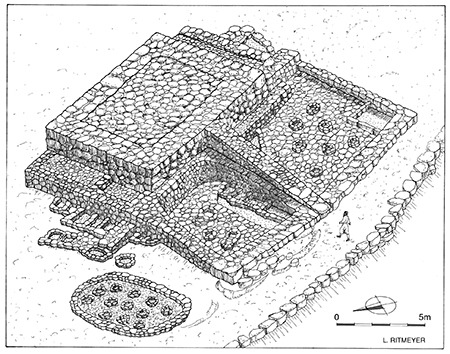
In 2 Kings 6–7, the city of Shomron faced a horrible famine due to an Aramian siege. Yet four lepers—outcasts of society—became the unlikely messengers of salvation. Through the prophecy of Elisha and God’s intervention, Shomron was saved overnight. This dramatic account reveals a timeless truth: even the most broken can be used by God to bring hope and life.

What Happened to the Ark of the Covenant?

This sacred chest, described in the Book of Exodus, was the most mysterious and powerful object in Israel’s history.

From miracles at the Jordan River to its sudden disappearance after the destruction of the First Temple, the Ark continues to fascinate believers, historians, and seekers of truth.

In this video, we’ll explore:

  • The Ark’s design and divine purpose
  • Miraculous encounters in Israel’s history
  • Theories about its disappearance and whereabouts
  • Its deeper meaning for Christians today

The Ark may be lost to history—but its message still points to something greater.

Shiloh: From The Dwelling of the Tabernacle to a Symbol of Judgment

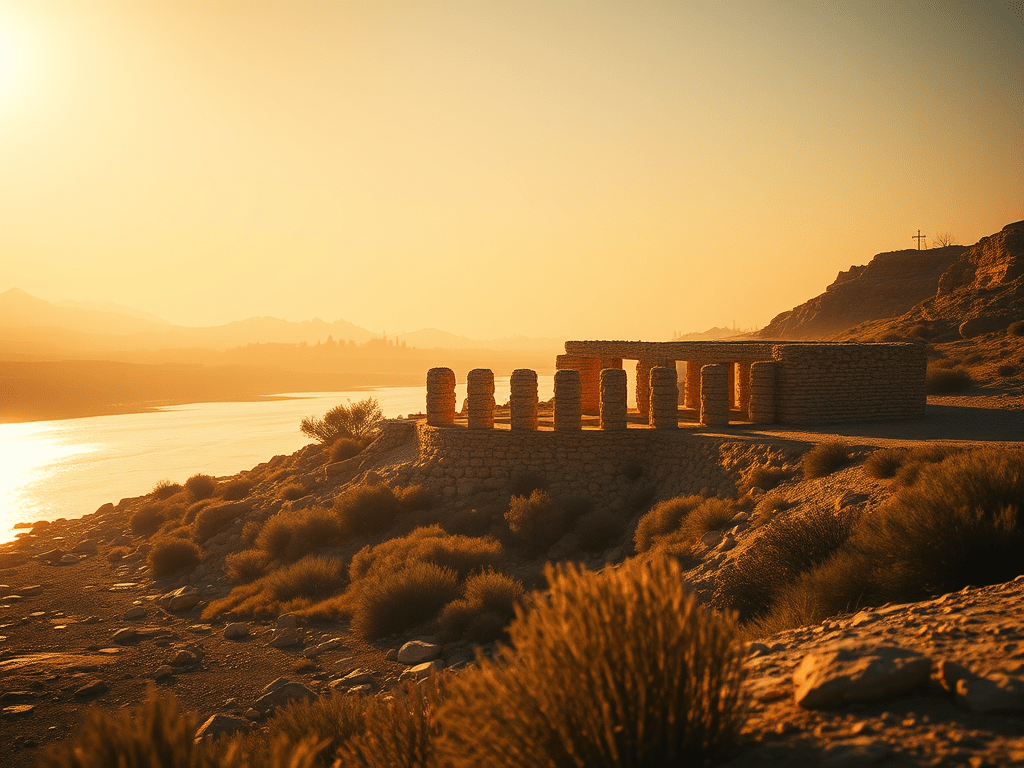
Join me at Ancient Shiloh, once the spiritual epicenter of Israel.

In this gripping journey through Scripture and archaeology, discover how Shiloh transformed from the resting place of the Tabernacle into a haunting reminder of Israel’s disobedience.

Through prophetic warnings, tragic events, and one woman’s faithful prayer, Shiloh tells a powerful story—one of Israel’s failure, God’s judgment, and unshakable hope.

Finding the rare Irises of Israel

irus1

When I was a young boy, I was fascinated by the Irises of Israel, and wanted to find all of them. It took me several years until I got them all.

Israel is blessed with many types of wild Irises, most of them very rare and many of them endemic (meaning – they cannot be found anywhere else in the world).

The most beautiful ones are also the rarest ones and they are very limited to small sites.

Moreover, their time to blossom is very short, sometimes only three weeks. They all blossom in the spring, between February and April, each has its own different time.

In a previous post I suggested that the Iris may be the Shoshan (Lily) of the Bible.

The first one that I saw, grows actually very close to where I was growing – a kibbutz in the north of the country. This is also one of the most beautiful ones.

In Hebrew we call it “Spectacular Iris” and its English name is Lortet’s Iris:

1787296-1600x1200

The second one I found, grows in limited area in lower Galilee and is called “Nazareth Iris”. The best place to find it is around the the city of Nazareth:

iris2

A close relative of the previous one is “Mt. Hermon Iris”.

It grows in Mt. Hermon and Golan Heights and nowhere else in the world! Its flowers are the largest among all the Irises growing in Israel:

1783984-509105-1600x1200.jpeg

One of the most famous of the Israeli Irises grows on top of Gilboa mountain. It is also very rare but so beautiful! It is called after the mountain: “Gilboa Iris”. Not like the previous ones that are white with dots, this one is purple.

unspecified

When you go southern, the colors of the Irises become darker.

In the most populated area of Israel, the coastal plain, where almost no wild land can be found anymore, there grows one of the rarest Irises. It does not grow anywhere else in the world.

Many fights of nature lovers against initiatives to build new neighborhoods on those lands, resulted in declared nature reserves inside the cities that protect those beautiful flowers.

This one is called “Coastal Iris” or “Purple Iris” and is found inside the city of Netanya, very close to Tel Aviv.

1_138249771

Some of those amazing flowers grow in the desert, and when they blossom, you do not believe that you are in an arid area.

One of those is the purple “Negev Iris” that grows only in the Negev in Israel and Sinai on sand dunes.

iris_mariae1

Its relative grows on the hills of the city of Arad, and is almost black!

It is also endemic to Israel and Jordan and is called “Judean Iris”.

file_0_original

The third famous “desert” Iris grows in a very limited area in the Negev and Jordan. It is a small one and is called “Petra Iris”

unspecified-2

Those were only a few from the many Irises that grow in our county.

It is a challenge to find them but a great reward!