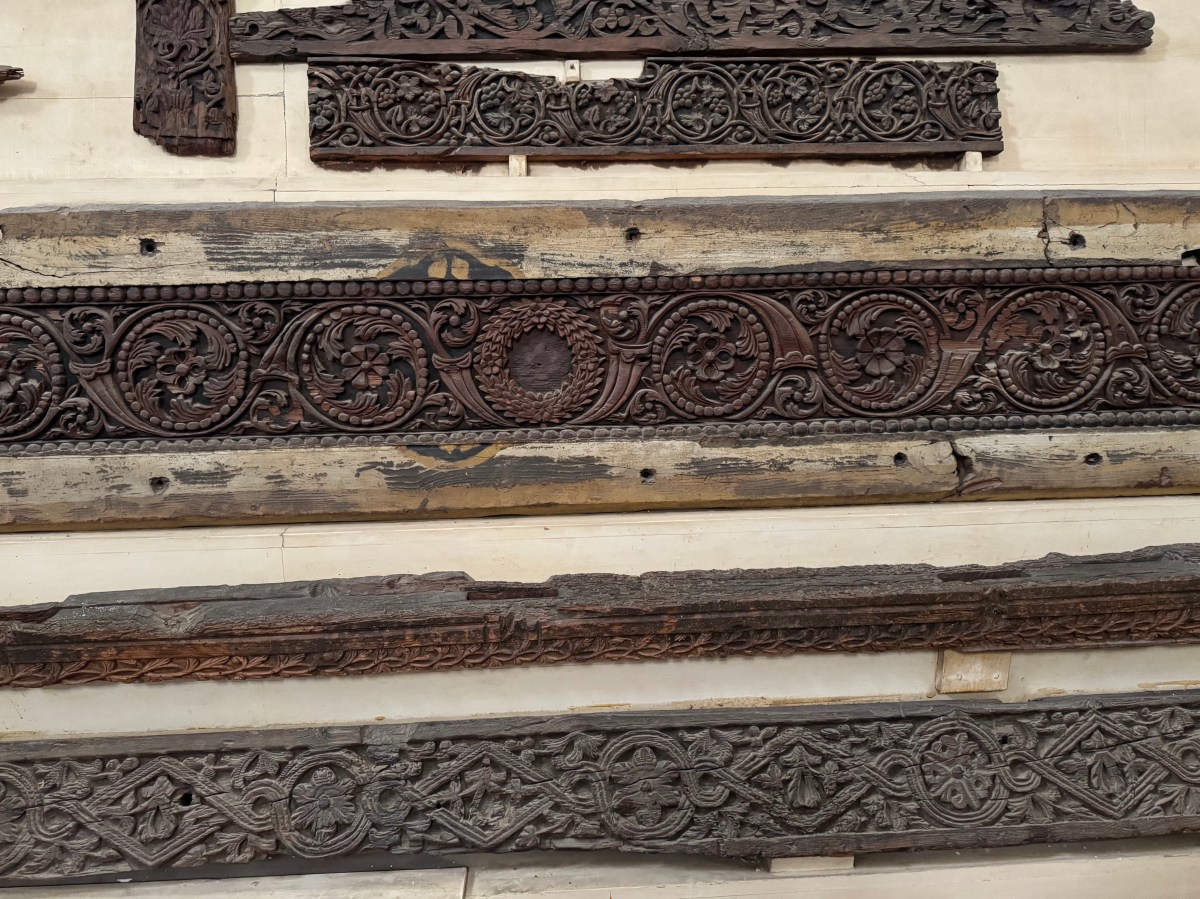
Please join me to search for evidence of the existence of a Temple in the time of King Solomon on the Temple Mount
Category: Uncategorized
What Happened to the Ark of the Covenant?

This sacred chest, described in the Book of Exodus, was the most mysterious and powerful object in Israel’s history.
From miracles at the Jordan River to its sudden disappearance after the destruction of the First Temple, the Ark continues to fascinate believers, historians, and seekers of truth.
In this video, we’ll explore:
- The Ark’s design and divine purpose
- Miraculous encounters in Israel’s history
- Theories about its disappearance and whereabouts
- Its deeper meaning for Christians today
The Ark may be lost to history—but its message still points to something greater.
Shiloh: From The Dwelling of the Tabernacle to a Symbol of Judgment
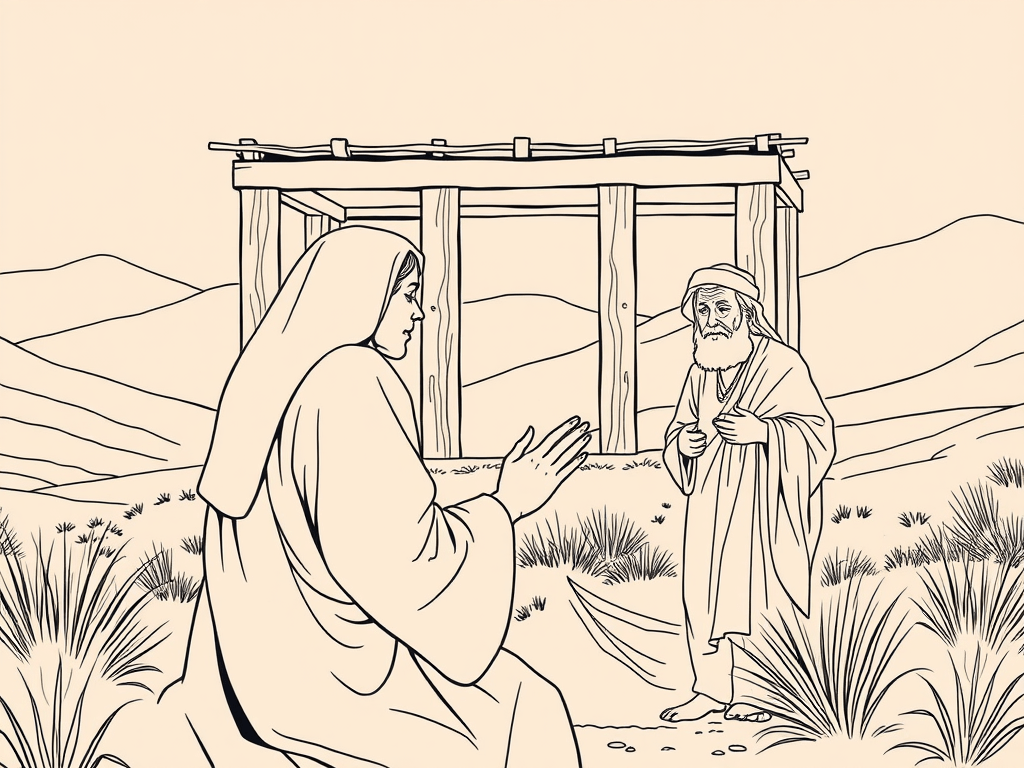
Join me at Ancient Shiloh, once the spiritual epicenter of Israel.
In this gripping journey through Scripture and archaeology, discover how Shiloh transformed from the resting place of the Tabernacle into a haunting reminder of Israel’s disobedience.
Through prophetic warnings, tragic events, and one woman’s faithful prayer, Shiloh tells a powerful story—one of Israel’s failure, God’s judgment, and unshakable hope.
Did We Find the Tabernacle? Insights from Scott Stripling
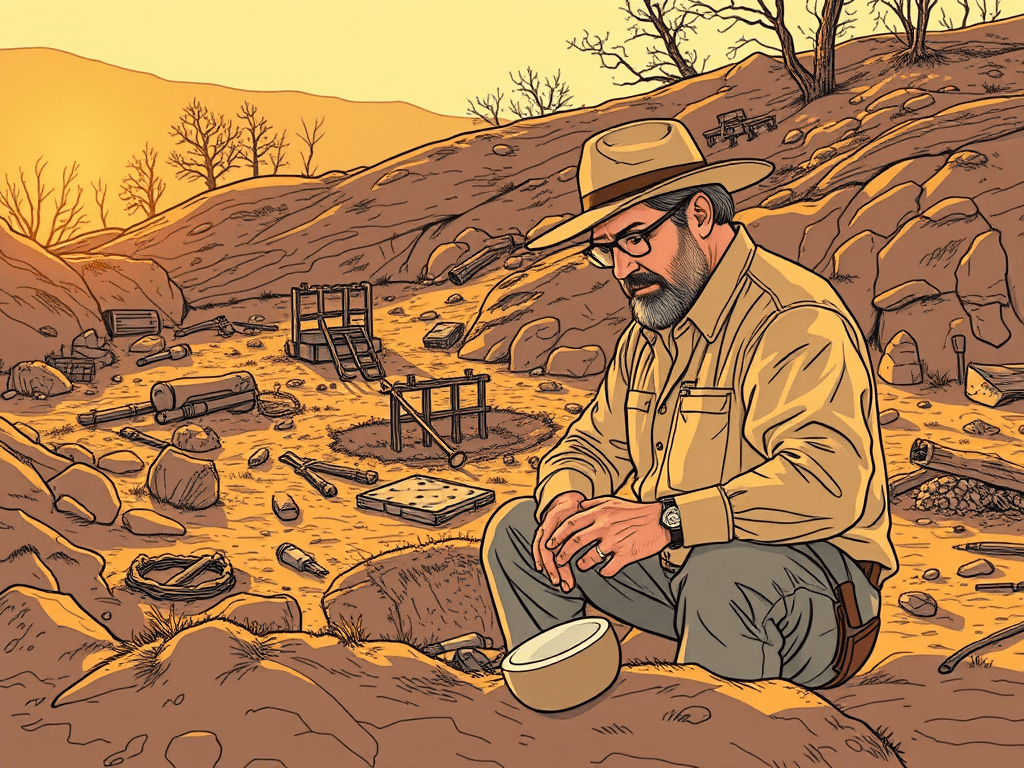
Join me for an interview with Scott Stripling, who has been excavating Shiloh for many years.
We talked about the history of the pursuit of the Tabernacle and whether it was found at last.
How the Tribes of Israel Got Their Inheritance In Shiloh
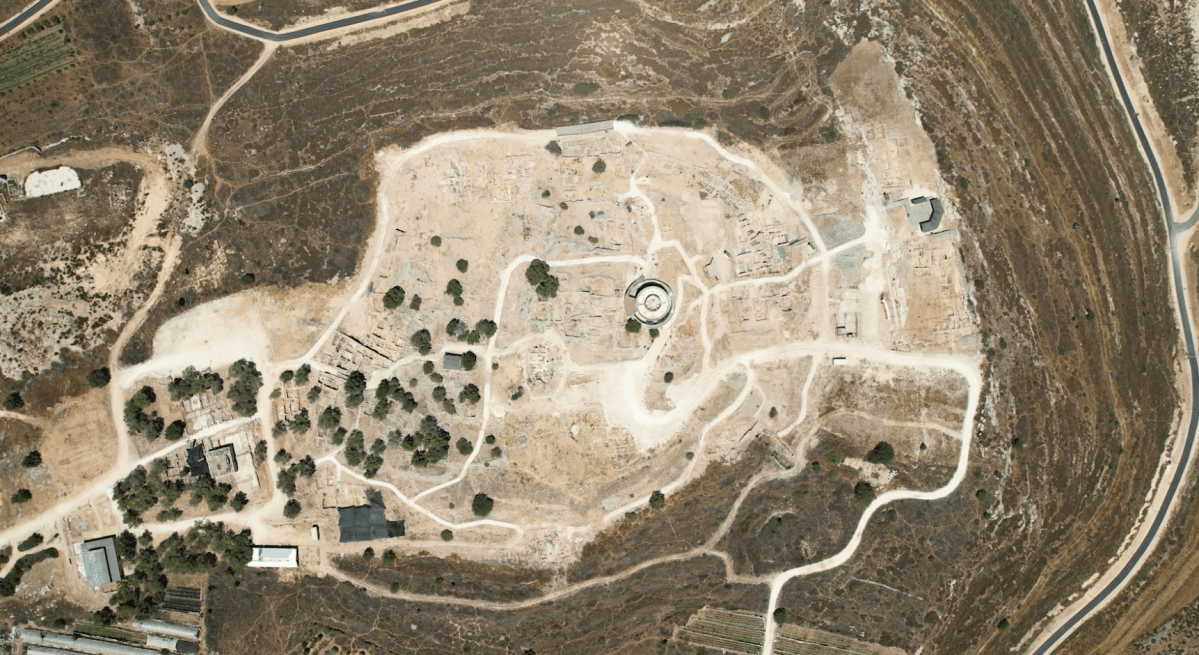
Watch this video that explains the distribution of the land between seven tribes in Shiloh
Digging Under Fire
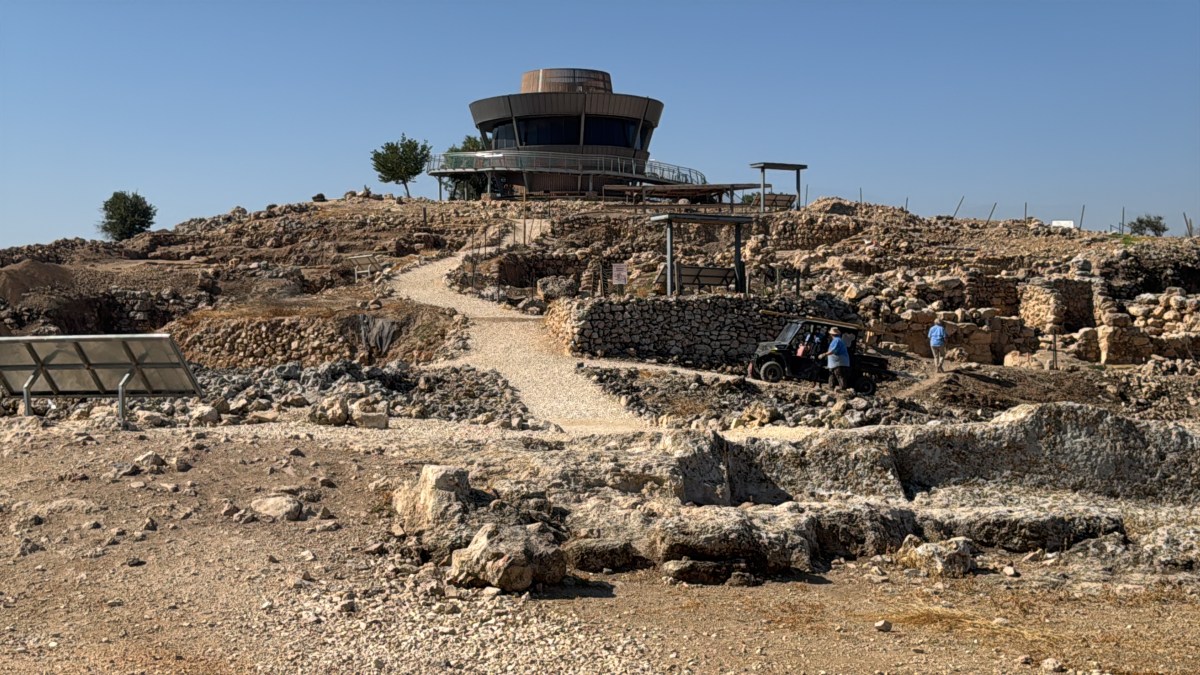
During the war between Israel and Iran in June 2025, I went to interview Dr. Scott Stripling, who continued excavation in Shiloh even when missiles were flying over his team’s heads.
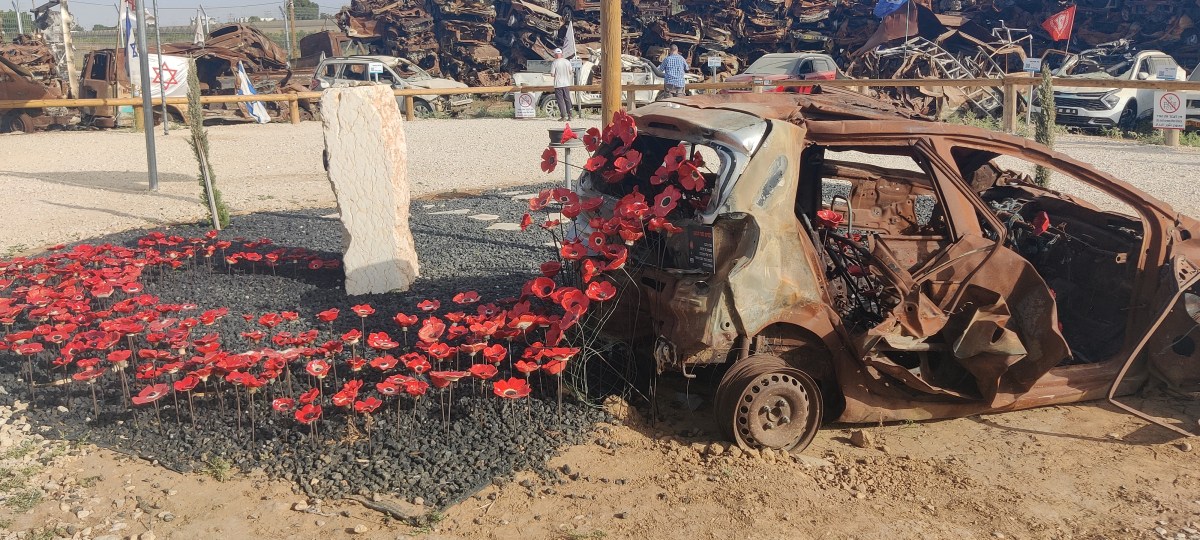
The Spiritual WAR behind Oct 7th
Finding the rare Irises of Israel

When I was a young boy, I was fascinated by the irises of Israel, and I wanted to find all of them. It took me several years before I had spotted them all.
Israel is blessed with many types of wild irises, most of them very rare and many of them endemic (meaning they can’t be found anywhere else in the world).
The most beautiful ones are also the rarest ones, and they are very limited to small districts.
Moreover, their time to blossom is very short, sometimes only three weeks. They all blossom in the spring, between February and April, each has its own different timing.
In a previous post, I suggested that the Iris may be the Shoshan (Lily) of the Bible.
The first one that I saw grows actually very close to where I was growing up – a kibbutz in the north of the country. This is also one of the most beautiful ones.
In Hebrew, we call it Spectacular Iris, and its English name is Lortet’s Iris:

The second one I found grows in a limited area in lower Galilee and is called Nazareth Iris. The best place to find it is around the city of Nazareth:

A close relative of the previous one is Mt. Hermon Iris.
It grows in Mt. Hermon and the Golan Heights, but nowhere else in the world! Its flowers are the largest among all the irises growing in Israel:
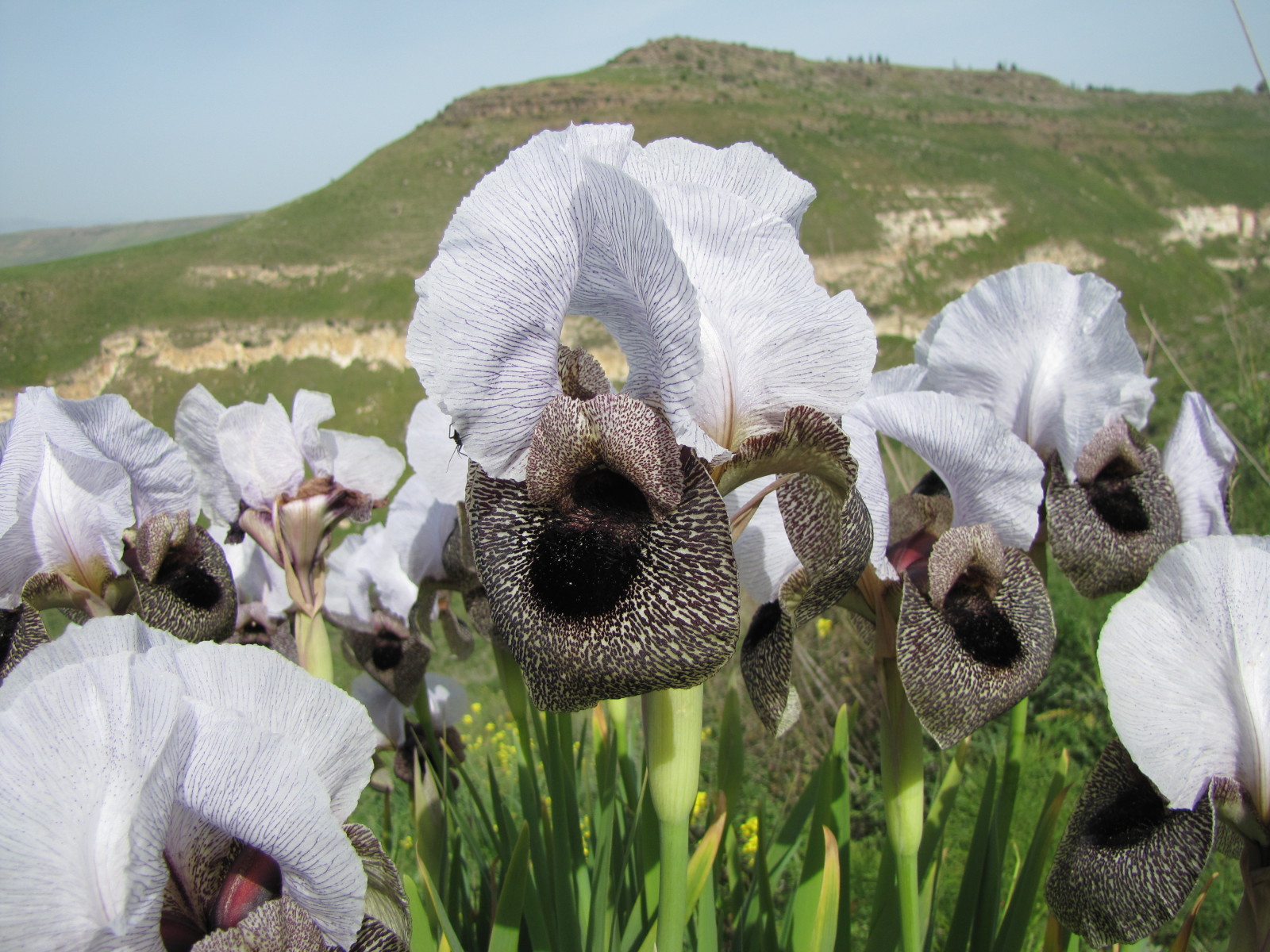
One of the most famous of the Israeli Irises grows on top of the Gilboa Mountain. It is also very rare, but so beautiful! It is called after the mountain: Gilboa Iris. Not like the previous ones that are white with dots, this one is purple.
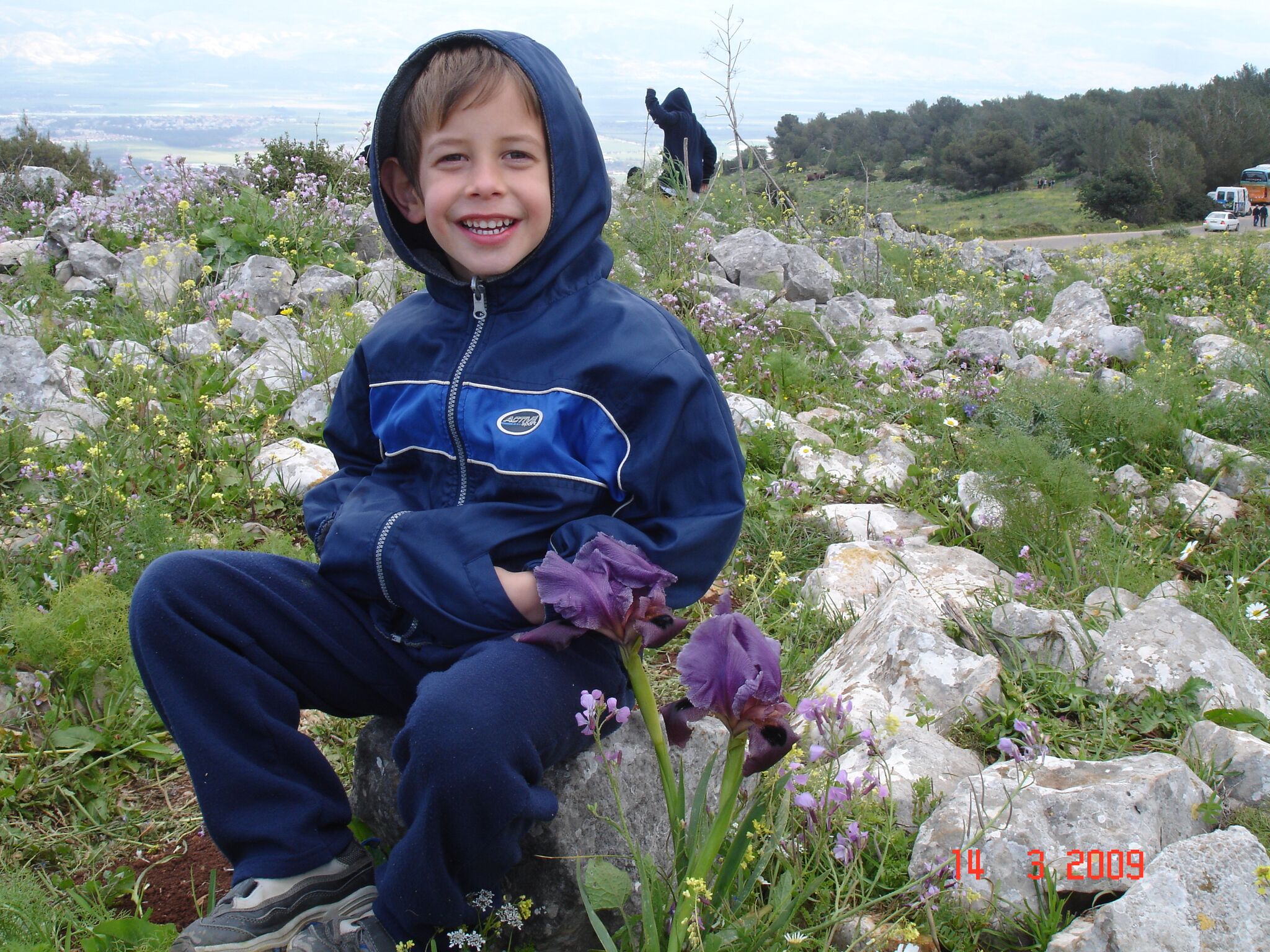
When you go south, the colors of the irises become darker.
One of the rarest Irises can be found growing in Israel’s coastal plain, a densely populated area where undeveloped land is now scarce. It does not grow anywhere else in the world!
As a result of nature lovers’ opposition to new housing developments on the land, urban nature reserves were established to safeguard the lovely flowers.
This one is called Coastal Iris or Purple Iris and is found in the city of Netanya, very close to Tel Aviv. This one is the first to blossom among the irisis and you can find it only in February, in the midst of winter.
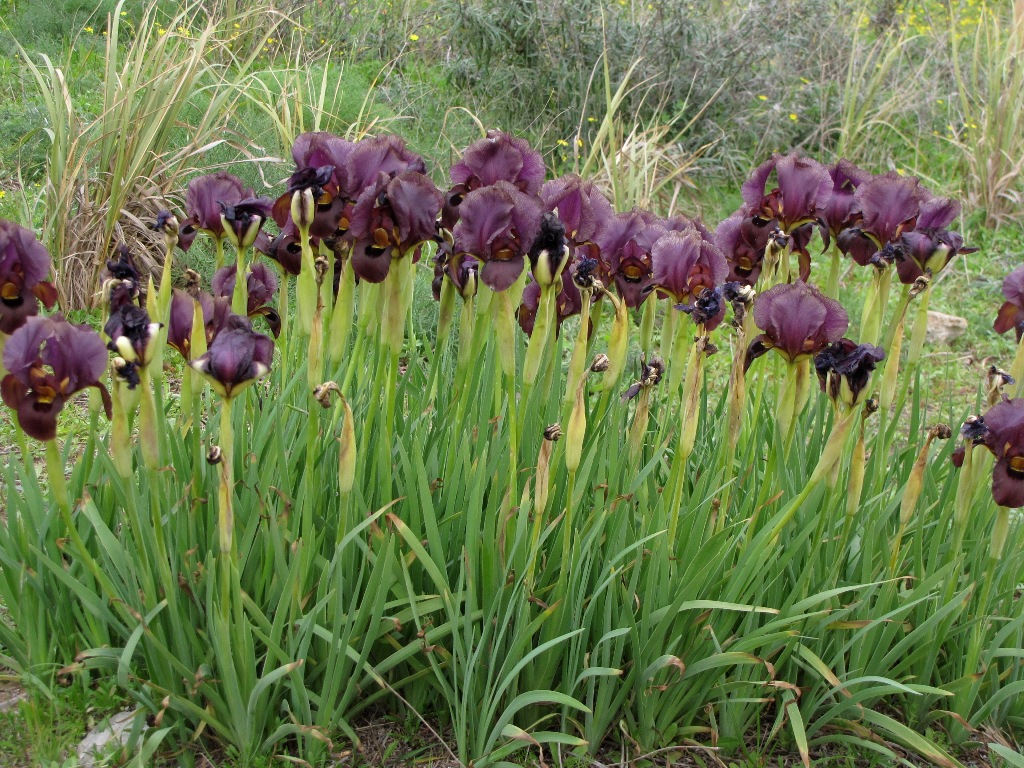
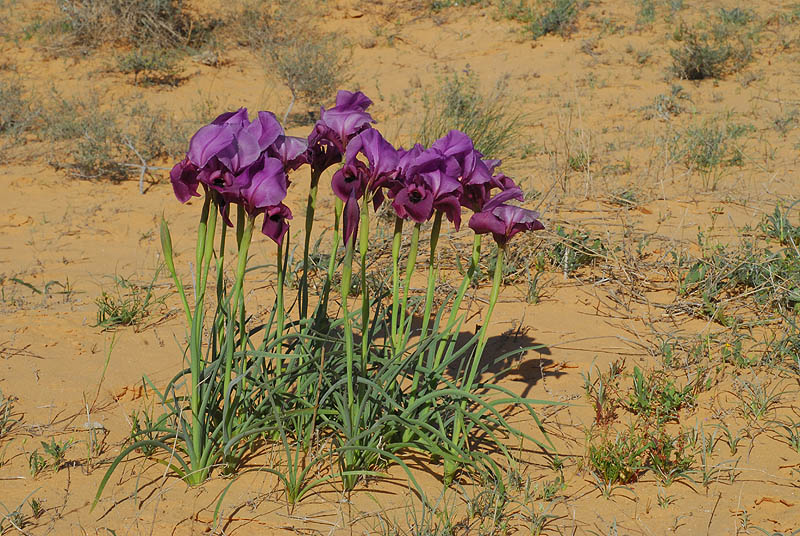
Some of those amazing flowers grow in the desert, and when they blossom, you do not believe that you are in an arid area.
One of those is the purple Negev Iris, which grows only in the Negev in Israel and Sinai on sand dunes.
Its relative grows on the hills of the town of Arad and near Be’er Sheva. It is almost black!
It is also endemic to Israel and Jordan and is called Judean Iris.

The third famous “desert” Iris grows in a very limited area in the Negev and Jordan. It is a small one and is called Petra Iris.

Those were only a few of the many irises that grow in our county.
It is a challenge to find them, but a great reward!
 Ran Silberman