The word “wilderness” or “Desert” – “Midbar” (מִדְבָּר) in Hebrew – appears 272 times in the Bible (Old testament).
The meaning of “midbar” in modern Hebrew is an arid area. A place where crops cannot grow.
But in the Bible, it has two different meanings:
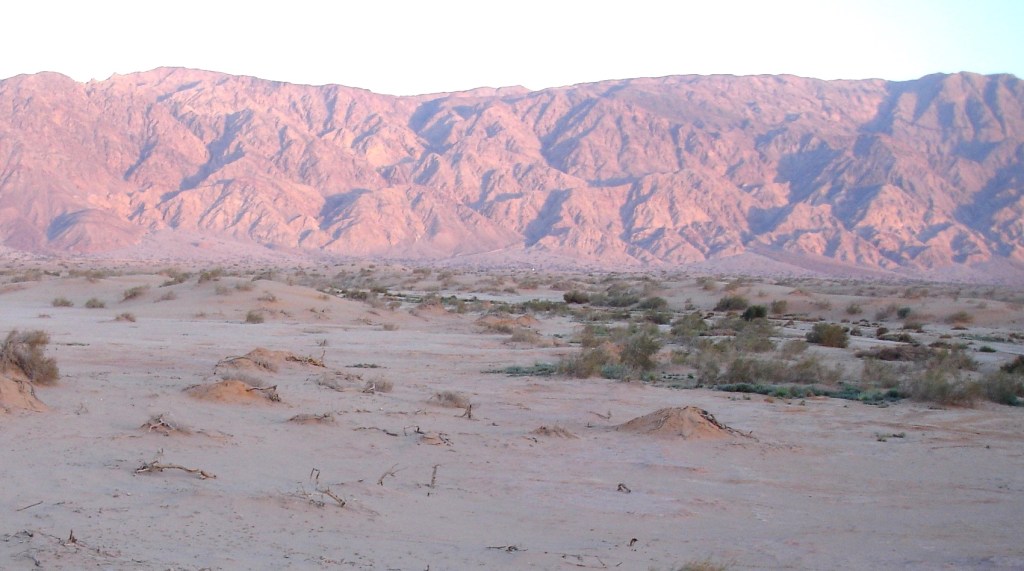
- Desert or desolate place.
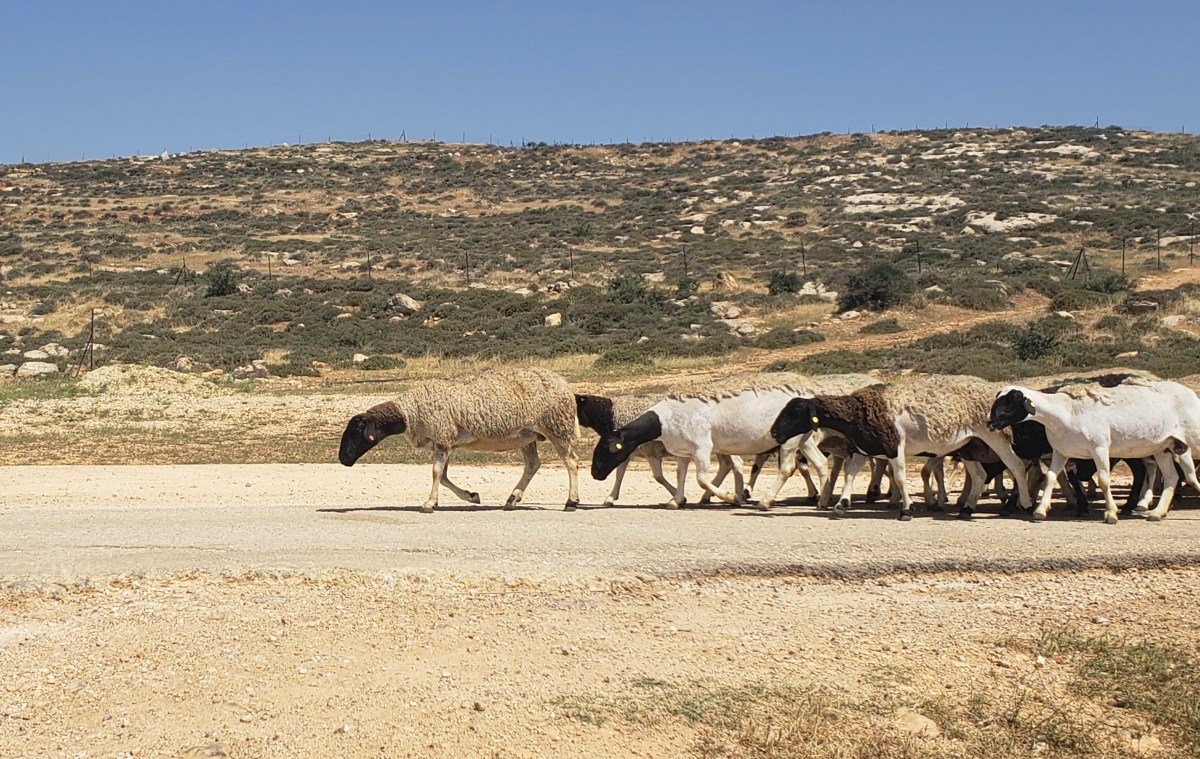
- A place where the shepherds take the flock to graze.
An example of the “Midbar” as a wilderness or desert:
The wilderness and the wasteland shall be glad for them, And the desert shall rejoice and blossom as the rose;
Isaiah 35:1
But in other places, the “midbar” is referred to lands that are not dry but rather quite fertile:
And Reuben said to them, “Shed no blood, but cast him into this pit which is in the wilderness (midbar), and do not lay a hand on him”
Genesis 37:22
Although the word “midbar” was translated here to “wilderness” in English, we know that this story took place in the valley of Dothan, which is a fertile valley.
Why is this ambiguity?
In order to understand the meaning of the word Midbar (מִדְבָּר), we need to look for its root. Hebrew words all have roots, and different branches can arise from these roots. However, the root contains the original meaning.
The word “midbar” מִדְבָּר comes from the root D.B.R.
Other meaning branching out of this root is: “To speak”
- Diber (v.) דִבֵּר – Spoke
- Davar דָבָר (n.) – Spoken word
- Diber (n.) דִבֵּר – Commandment
How are “wilderness” and “speaking” related?
The good shepherd
Let’s check the original meaning of the root D.B.R.
In ancient Hebrew and in other Semitic languages, it means “to lead”
A shepherd leads his sheep. He makes them lie in green pastures. He saves them from the lion and the bear. If one of a hundred sheep is lost, he will leave the 99 to find the one.
This is what it means to be a leader.
And for this reason, all the faithful leaders in the Bible were shepherds: Abel, Abraham, Isaac and Jacob, Joseph, Moses and David.
The more common use of the root D.B.R is in the verb “speak” – דִבֵּר and the noun “spoken word” – דָבָר. In Greek: Λόγος.
This is clear: the one who speaks is the leader, and he leads through spoken word. The shepherd also leads with his voice:
My sheep hear my voice, and I know them, and they follow me.
The “spoken word” then generated a more profound meaning in Hebrew: “The important thing”, which is another meaning in Hebrew of “davar” דָבָר.
“In the beginning was the Word (Greek: Λόγος, Hebrew: דָבָר) and the Word was with God, and the Word was God”.
Where “the Word” and “Desert” meet
in the history of the sons of Israel, the spoken Word “Davar” דָבָר, Λόγος is spoken in the desert.
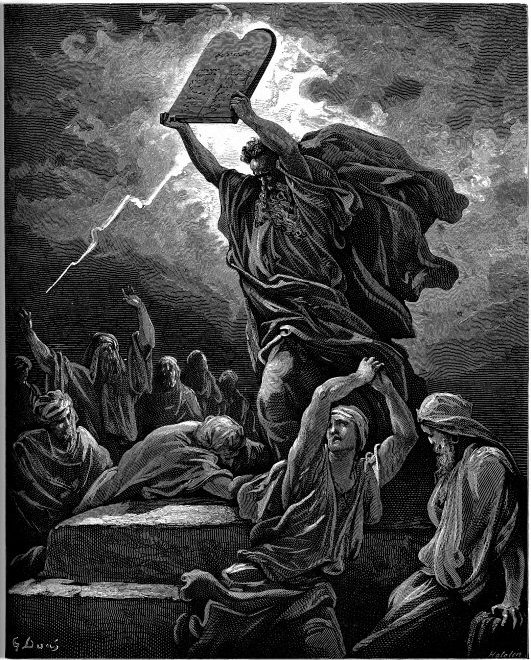
And this makes sense: God is the leader of the people. He led them in the desert (“midbar”) and spoke (“diber”) to them and gave them His commandments (“dibrot”).
All branches of the root D.B.R meet in the story of Exodus.
Interestingly, the names of the last two books of the Pentateuch – the Torah, are of the same root D.B.R:
- Numbers – in Hebrew: “Bamidbar” בְּמִדְבַּר – “In the desert”
- Deuteronomy – in Hebrew: “Devarim” דְּבָרִים – “The spoken Words”
So how can we tell which is the correct meaning of “midbar” in the Bible?
When you encounter the word “wilderness” or “desert” in the Bible, it might be one of two meanings: Dry wilderness, or a place where the sheep are led to graze.
How can we tell which is which?
So probably, the original meaning was – a place where shepherds took the flock out.
Later on, a secondary meaning evolved from the original. The shepherds took the sheep to feed them in an area that was not cultivated. In Israel, in many cases, that was the frontier of the desert.
So the word “midbar” got a new meaning, which was: a wilderness where very little rain falls. A desert.
In the Bible itself, you can distinguish between the two easily:
In most cases, when the word “midbar”, translated to wilderness or desert, appears on its own or is used to refer to a certain name of a desert – you know it is “a desert”.
So “Wilderness of Sinai” or “Wilderness of Judah” point to the desert of Sinai and the desert of Judah.
But when “midbar” appears before a name of a town, then we know that this is the area where the shepherds of that town took the flocks to feed them.
Therefore, “Wilderness of Ziph” and “Wilderness of Maon” are those lands out of the cultivated fields, where the people of Ziph and Maon feed their flocks.
Many types of “desert”
In Biblical Hebrew, we have other words that are used for a desert. They represent different level of aridity.
“midbar” is probably the mildest desert. because there is enough vegetation for the goats and sheep to be fed.
Now David and his men were in the Desert of Maon, in the Arabah south of Jeshimon
1 Samuel 23:24 (NIV)
In this short verse there are three different words for desert:
- Desert of Maon (“midbar”) מִדְבָּר – this is the area close to the town of Maon, where there is enough food for the sheep
- Araba עֲרָבָה – plains in the desert. Here we read David was in a part of the “midbar” of Maon that was a flatland.
- Jeshimon יְשִׁימוֹן – a more arid area with very little rain.
the LORD, Who brought us up out of the land of Egypt, Who led us through the wilderness (“midbar”), Through a land of deserts (“arabah”) and pits, Through a land of drought (“tsiya”) and the shadow of death (“tsalmaveth”), Through a land that no one crossed And where no one dwelt
Jeremiah 2:6 (NKJV)
Here, four different words for desert in one verse:
- Midbar מִדְבָּר
- Arabah עֲרָבָה
- Zia צִיָּה – extreme arid desert.
- shadow of death צַלְמָוֶת – a land where death rules.


 Ran Silberman